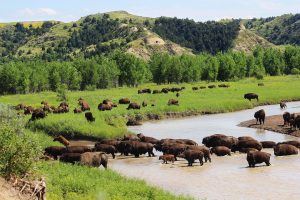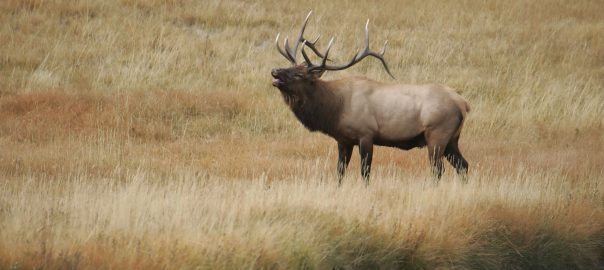
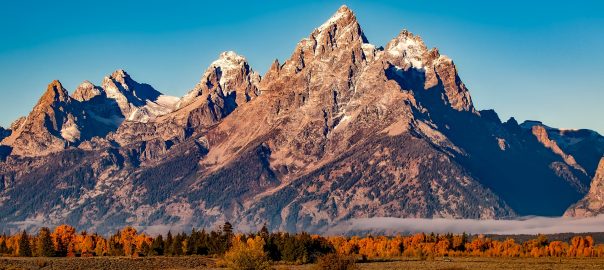
We often get questions about the history of Jackson Hole, as there is evidence of its history throughout the valley. Courteous of our friends at the Jackson Hole History Museum and Society, here’s an extremely brief history of Jackson Hole.
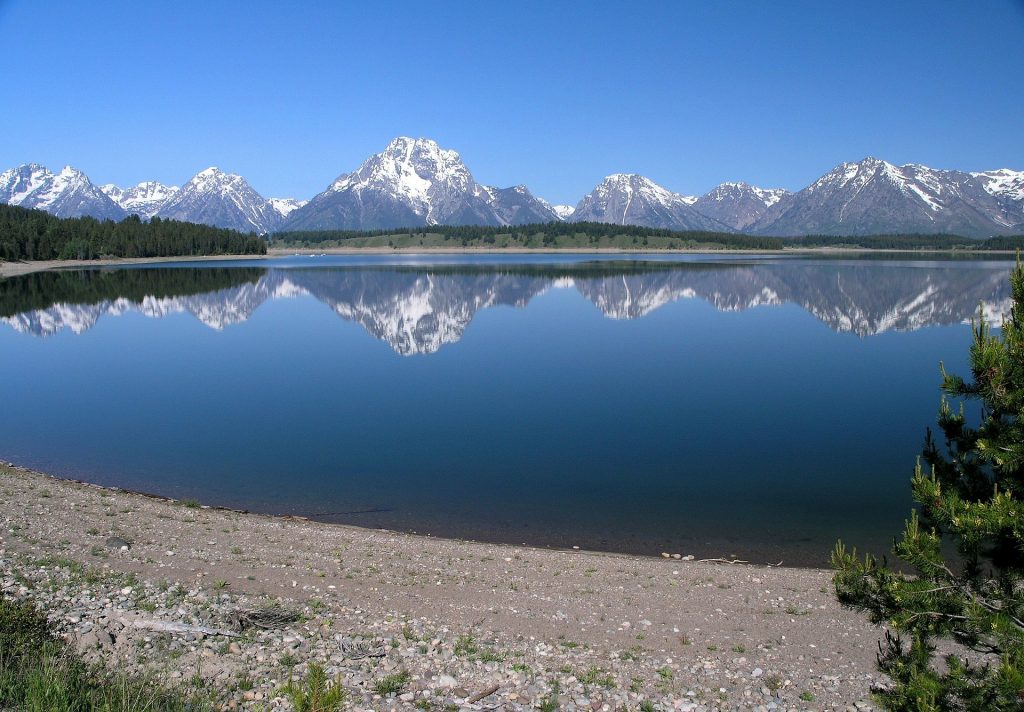
After glaciers in the valley floor melted, humans began moving into the valley about 11,000 years ago. Several indigenous groups of Native American tribes would pass through the valley, leaving evidence of their presence (including the West Summit of the Grand where the “Enclosure” rests). Both Obsidian and Bighorn Sheep horns were used in weaponry and trading from the area.
Enter Fur Trappers & Non-Native Pioneers
In the early 19th century, fur trappers would come to the valley for the abundant wildlife, including the Lewis and Clark Expedition and John Colter (who is thought to be the first Anglo-American to enter the valley) in 1803. As the fur trade continued, mountain men like David Jackson, Jedediah Smith, Jim Bridger and William Sublette spent time in the valley and left their marks on it. In fact, David Jackson allegedly spent a winter on the shores of Jackson Lake in 1829.
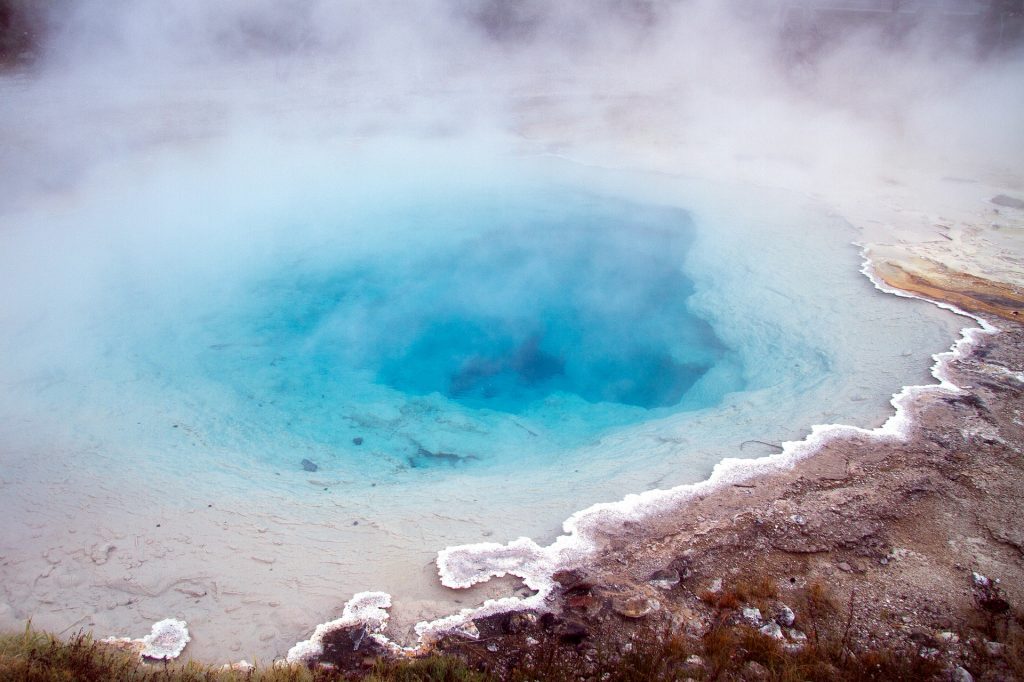
In 1860, a military mapping expedition came through the valley led by Jim Bridger. The goal was to evaluate the local resources for their potential economic value. Miners came to assess the potential wealth of resources as there was small evidence of gold in the region. In 1871-2, the Hayden Expedition traveled through what is now Yellowstone National Park and encouraged its creation in 1872.
Around 1884, early settlers began to take up full-time residence in the area, thanks to the Homestead Acts. By the 1890’s, Wilson, Kelly, and Moran were created.
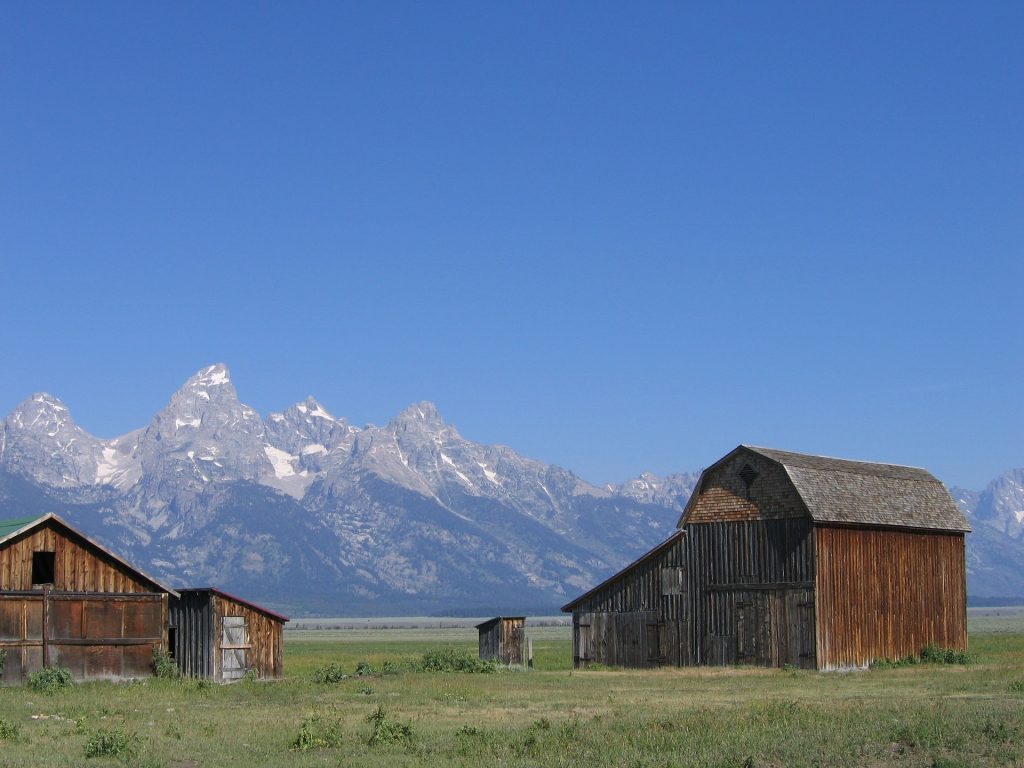
Around 1908, the first dude ranch was founded in Jackson Hole. This encouraged visitors from the East looking for a truly Western experience to come to Jackson and boasted the tourism of the area. From 1908 to the Great Depression, dude ranches were extremely popular in Jackson Hole. In 1929, Grand Teton National Park was formed.
After the Depression and the increase in private transportation, visitors would come to the valley on road trips. They were attracted to the abundant wildlife, beautiful scenery and wild west nature of the valley, as many are today.
For a complete history of Jackson Hole, it’s best to visit the Jackson Hole Historical Society and Museum. This trove of great information will be sure to fill you with all the knowledge you need to understand the history of this great valley.
 Jackson Hole is known for its rustic ways, its beautiful views, and its outdoor adventures. Did you know, however, that the tastes of Jackson Hole are also unique? In fact, Wyoming has several ranches that raise elk and buffalo and hunters flock here for deer, pronghorn, elk, moose, buffalo and bear tags! And boy, is it good! Healthy, fresh, and eco-friendly, especially if you are a hunter. We also have our local produce for vegetarian and vegans that we will mention towards the end.
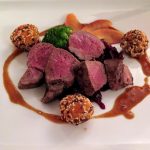
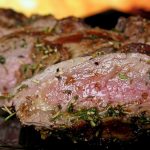 To taste this local splendor, there are some excellent choices for both purchasing the meat yourself and dining at a top class restaurant in town. Our top choices for buying game meat would definitely be
  You could also try the
  This is the Wild West and we are mainly about our meats, but we do have some locals produce that is worth mentioning. A farmer down in Pinedale produces Wyomatoes, a Wyoming tomato produced in an organic hot house. These are absolutely delicious and can often be found in Caprese salads in restaurants and at

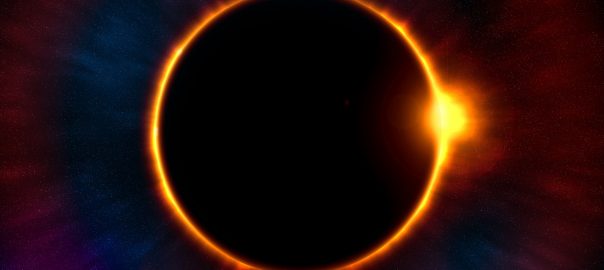
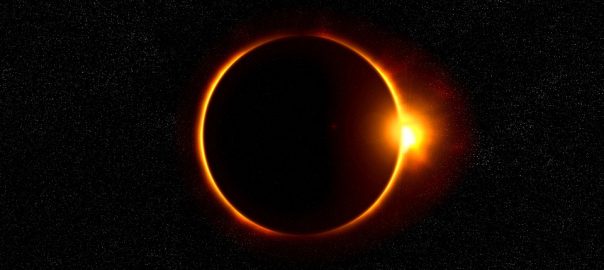
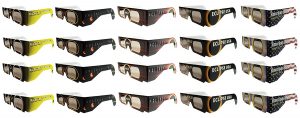
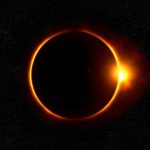 Are you planning to come to Jackson Hole for the August 21st, 2017 Solar Eclipse? We have compiled some information about everything you might need to know about the solar eclipse in Jackson Hole this summer.
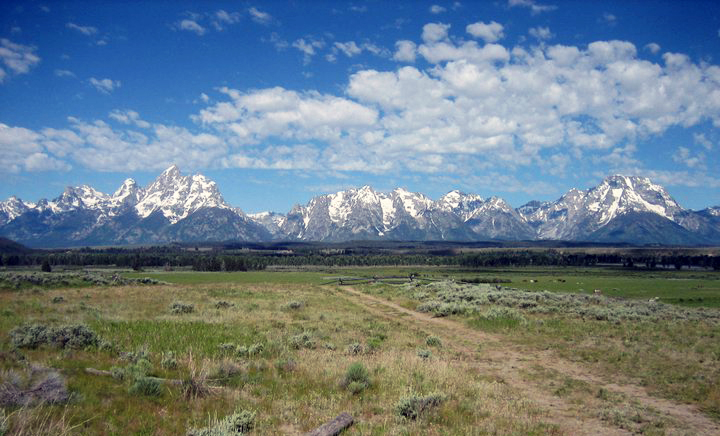 Where can I see it in the sky? While the sun is mostly overhead on August 21st in Jackson Hole, it does slip slightly into the southern sky. For that reason, we would suggest moving slightly out away from the north-facing mountain slopes. These slopes might block your view of the approaching sun. Otherwise, all you need to do to see the eclipse is to start looking up around 10:17 AM.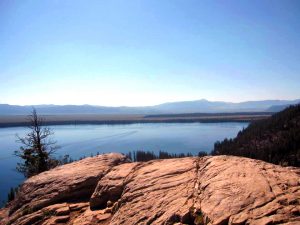
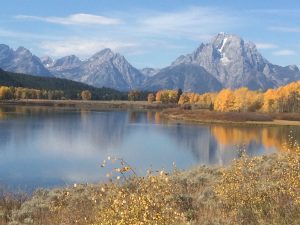
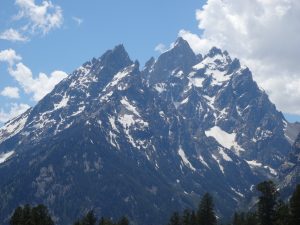
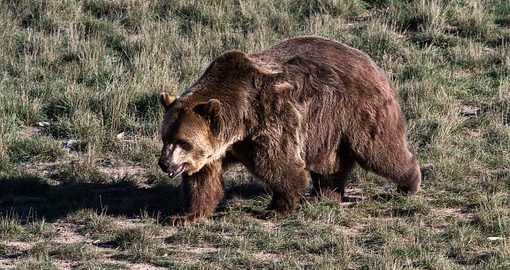
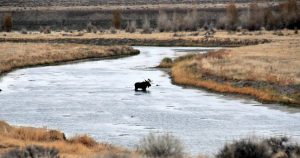 The clocks have moved forward and it is now springtime in Jackson Hole. Grizzly Bear 399 has already been spotted, this time with two cubs in tow. Elk have begun migrating off the Elk Refuge and the moose have left the open plains of the airport, moving north into Grand Teton National Park to grab the fresh new willows along the Snake River and its inlets. We thought this would be the perfect time to remind our visitors of how to continue to protect our wildlife and natural ecosystem.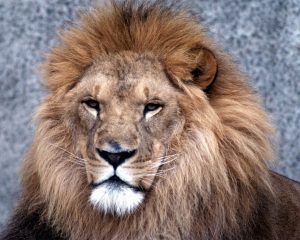
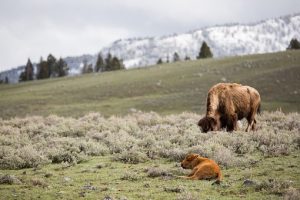
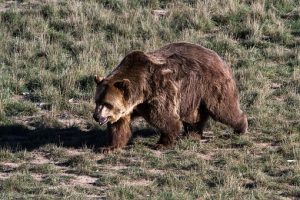 To give you a little further incentive to keep your distance from the animals, we wanted to give you an idea of how fast our animals can run. Bear run at 30 mph (48kph), moose run at 35mph (56kph), bison or American Buffalo run at 40mph (64kph), and elk run at 45mph (75kph). Additionally, moose can swim at 6mph (9kph). By comparison, an average healthy adult human runs somewhere between 10-15 miles per hour. If you stay in the safety of your car, you do not have to worry about how easily any one of these animals will catch up to you.